
Different Types of Parasites that can Cause Symptom's

Pathogenic or dysbiotic bacteria
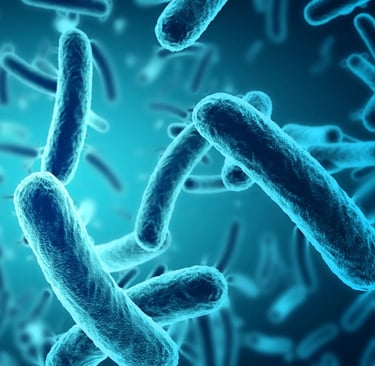
These include harmful bacteria or an overgrowth of otherwise commensal species that disrupt normal gut microbiota balance. They can produce endotoxins, promote intestinal inflammation, impair barrier function, and interfere with nutrient absorption, leading to symptoms such as bloating, altered bowel habits, abdominal discomfort, and malabsorption.

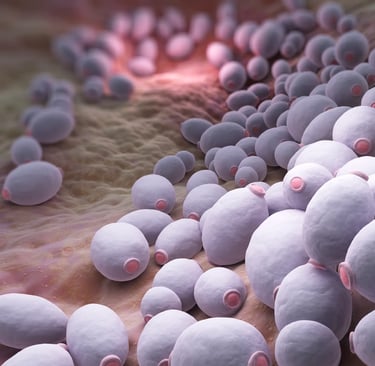
Candida (intestinal yeast overgrowth)
Candida species are opportunistic fungi that are part of the normal gut flora in low amounts. Overgrowth can occur when microbial balance or immune regulation is impaired. Excessive Candida can contribute to mucosal irritation, increased intestinal permeability, and fermentation-related symptoms such as bloating, gas, altered stool patterns, and systemic symptoms due to metabolic byproducts.

Protozoa
Protozoa are single-celled eukaryotic parasites that colonize or infect the gastrointestinal tract, often acquired via contaminated food or water. They may adhere to or invade the intestinal mucosa, causing inflammation, enzymatic disruption, and impaired nutrient absorption. Clinical manifestations commonly include chronic diarrhea, abdominal pain, bloating, fatigue, and weight loss.

Helminths (intestinal worms)
Helminths are multicellular parasitic organisms that inhabit the gastrointestinal tract.

They may cause mechanical irritation, immune activation, blood loss, and competition for

nutrients. Depending on species and burden, they can lead to abdominal pain, diarrhea,

anemia, micronutrient deficiencies, fatigue, and growth or weight changes.